

You’re fixing up a home or office and have to choose the walls. They change how your place looks, feels, and holds up, plus what you’ll spend later.
You can pick drywall, like gypsum boards used in new builds, or old-school walls, like brick or plaster. What’s best depends on your cash, time, and whether it’s a house or workplace.
We’ll walk you through picking what works for you.
Understanding Drywall: The Modern Standard
You can build great walls with drywall for your home or office.
What Exactly Is Drywall?
You might wonder what drywall is. It’s a gypsum core, like chalky rock, squeezed between paper sheets.
It comes in standard sizes, like 4×8 feet, with thicknesses from half to one inch. You get special types, like moisture-resistant for bathrooms or fire-resistant for safety.
Drywall partition contractors started using it widely in the 1940s, and it’s now the go-to for quick, affordable construction.
The Drywall Installation Process
You’ll see drywall go up fast with the right steps, tools, and finishing touches.
Measuring and Cutting
You measure your walls and cut drywall sheets to fit. A utility knife and ruler make it simple. Pros use these to match your space perfectly, ensuring no gaps for a clean look in days.
Fastening to Studs
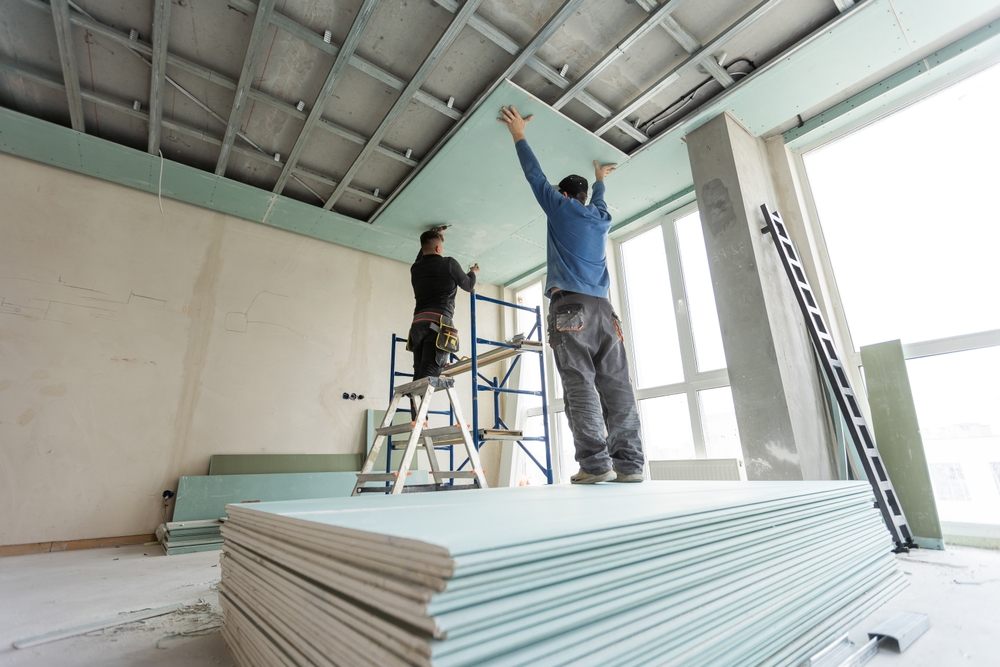
You screw or nail drywall to wooden or metal studs. A drill or hammer does the job. It’s quick but needs care to keep sheets straight, so your walls look smooth and sturdy.
Taping and Mudding
You cover seams with tape and spread joint compound, called mud, over them. This hides gaps and screws. It takes a few layers, drying between each, to make the walls flat and ready.
Sanding and Texturing
You sand the dried mud smooth and add texture, like swirls, if you want. Sanding takes skill to avoid dust messes, giving your walls a polished, custom feel fast.
Traditional Wall Systems: The Classic Approach
You can choose traditional walls for a timeless home or office look.
Plaster Walls: The Time-Honored Technique
You love plaster walls for their classic vibe. We build them using lath and several plaster coats for a smooth finish. Old methods took time, but modern systems are faster. Try veneer plaster for a quicker, sturdy middle option.
Other Traditional Wall Types
You have options like brick, concrete, or wood for unique walls.
Brick and Stone
You can use brick or stone inside for a cozy, rustic feel. They’re tough but heavy, needing strong support. Hire skilled interior fit out contractors to install them right.
Concrete Block
You might pick concrete blocks for solid walls. They’re great for basements but look plain and need extra finishing to shine indoors.
Wood Paneling
You can go with wood paneling for warmth. Classic or modern styles work, but they’re pricey and need care to stay nice.
The Traditional Wall Installation Process
You need to know how traditional walls are built and finished.
Overview of Techniques
You’ll see skilled workers layer plaster or stack bricks. It takes time, often weeks, and needs pros to get it perfect.
Specialized Labor Needs
You’ll need trained masons or plasterers, which can be hard to find. Their expertise ensures your walls look great and last.
Curing and Finishing
You must wait for plaster or concrete to dry slowly. Then, we sand or paint to make your walls smooth and pretty.
Suitability for Home and Office: What’s Best for You?
You have to pick walls that fit your home or office, balancing looks, cost, and strength.
Residential Homes
You can choose walls that match your home’s style, wallet, and the weather around you.
Drywall
You’ll like drywall because it’s cheap and goes up fast. It’s awesome for modern homes or quick fixes, giving a smooth, clean look for less cash.
Traditional Walls
You might want brick or stone for fancy or old-style homes. They’re tough, look classic, but take more time and money to build right.
Considerations
You need to think about cash and what you like. Drywall hates wet weather, so check your area. Pick walls that suit your home’s vibe.
Office Spaces
You want office walls that look sharp, hold up, and don’t cost a fortune.
Drywall
You can go with drywall for easy office setups. It’s quick to put up and cheap, perfect for new businesses or tight budgets.
Traditional Walls
You could use brick or stone for posh offices or lobbies. They scream quality and make your brand look strong, but they’re pricier.
Considerations
You have to pick walls for busy spots or quiet rooms. Drywall’s fast but wears out. Brick’s tougher. Think about noise for meetings.
Hybrid Approaches
You can mix wall types to get cool looks and save some money.
Mixing Drywall and Brick
You can use drywall for most rooms and add a brick wall for style. It’s budget-friendly and gives your space a special touch.
Drywall with Stone Bits
You might put drywall everywhere and stone on one wall for class. It keeps costs down while making your place look fancy.
Real-Life Examples
You see this in offices with drywall walls and a brick lobby accent. Homes use drywall inside and stone outside for looks.
Frequently Asked Questions
Is there a better alternative to drywall?
Plaster for smoother, stronger walls or wood panels for a cozy look. Pick based on your budget and style. Plaster lasts longer but costs more. Check with a local builder for what fits.
Which material is best for use on interior walls?
You can’t go wrong with drywall for cheap, quick walls. Plaster’s great for fancy finishes, while wood adds warmth. Choose drywall for most homes since it’s easy to put up and paint to match your vibe.
Do houses in the UK use drywall?
Yup, most UK homes use drywall for inside walls. It’s fast to install and saves cash. Some older houses stick with plaster or brick, but drywall is super common in new builds for its ease and low cost.
What are the downsides of drywall?
You might find drywall dents easily, and it isn’t great against water. It’s not as strong as brick or plaster and can get moldy if wet. Sound travels through it too, so you’ll hear more noise than with thicker walls.
Conclusion
You need walls that fit your home or office. Drywall is fast, cheap, and easy to install, saving you time. Traditional walls, like brick, are strong and last forever, but cost more.
Think about your budget, style, and needs. Drywall suits quick fixes or modern looks, while traditional walls add charm.
Pick what works for your space and plans. Talk to a local builder to decide and start building today!