

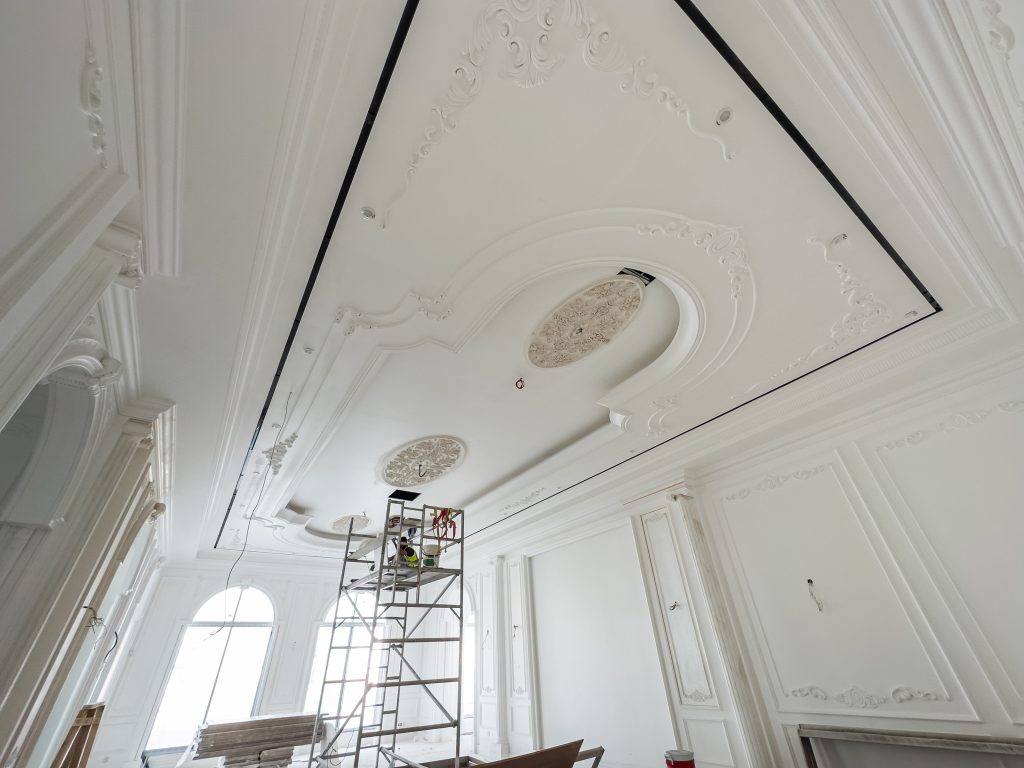
Gypsum partitions have revolutionized the field of interior construction with their versatility and numerous advantages. These partitions have become the go-to choice for architects, builders, and homeowners looking to create functional, aesthetically pleasing spaces. The seamless finish, fire resistance, and sound insulation capabilities of gypsum partitions make them an ideal solution for various settings. Whether you’re planning a residential renovation or a commercial space transformation, understanding the possibilities of gypsum partitions is necessary for creating a well-structured and comfortable environment.
Advantages of Using Gypsum Partitions
Gypsum partitions offer numerous advantages, making them a preferred choice for many interior construction projects. Here are some key benefits:
- Versatility: Gypsum partitions are incredibly versatile and can be used in various settings, including residential, commercial, and industrial spaces. They are suitable for both new constructions and renovations.
- Speed of Installation: Gypsum partitions are known for their rapid installation. This is particularly advantageous for projects with tight timelines, such as office renovations or retail space alterations.
- Fire Resistance: Gypsum partitions have excellent fire resistance properties, making them a safe choice for many applications. They can help contain fires and prevent their spread, providing crucial time for evacuation.
- Sound Insulation: Gypsum partitions are effective at reducing noise transmission between different areas. This is especially important in office spaces, hotels, and residential buildings, where noise control is essential for comfort and privacy.
- Smooth Finish: Gypsum partitions provide a smooth and even finish, which is ideal for paint and other decorative finishes. This ensures a polished and aesthetically pleasing result.
- Cost-Effective: Gypsum partitions are cost-effective when compared to traditional brick or concrete walls. They require fewer materials and labor hours, reducing overall project costs.
- Eco-Friendly: Gypsum is a naturally occurring mineral, and the production of gypsum boards has a relatively low environmental impact, making them an eco-friendly choice.
How many different types of gypsum partitions are there?
Now, let’s explore the various types of gypsum partitions:
- Gypsum Block Partitions
Gypsum block partitions are a popular choice in the construction industry, thanks to their unique properties. These partitions are constructed from solid gypsum blocks, which are both lightweight and durable. Their lightweight nature makes handling and installation a breeze, reducing labor time and costs.
Despite their lightweight, gypsum block partitions offer excellent fire resistance, making them a safe choice for various settings. The high fire resistance ensures that in case of a fire, these partitions can act as a barrier, preventing the fire from spreading to other areas. Gypsum block partitions are prized for their sound insulation capabilities, helping maintain a peaceful and noise-free environment in both residential and commercial applications.
- Gypsum Panel Partitions
Gypsum panel partitions, on the other hand, are versatile and widely used for interior construction. These partitions are constructed using gypsum boards or panels, which are available in various sizes and thicknesses. The flexibility in sizes and thickness allows for customization to meet specific project requirements.
This customization capability is a significant advantage, as it ensures that the partitions fit perfectly within the space, no matter the dimensions. Gypsum panel partitions are a preferred choice for interior walls due to their ease of installation. The smooth finish provided by these panels creates an ideal surface for painting and other decorative finishes, resulting in a polished and aesthetically pleasing appearance.
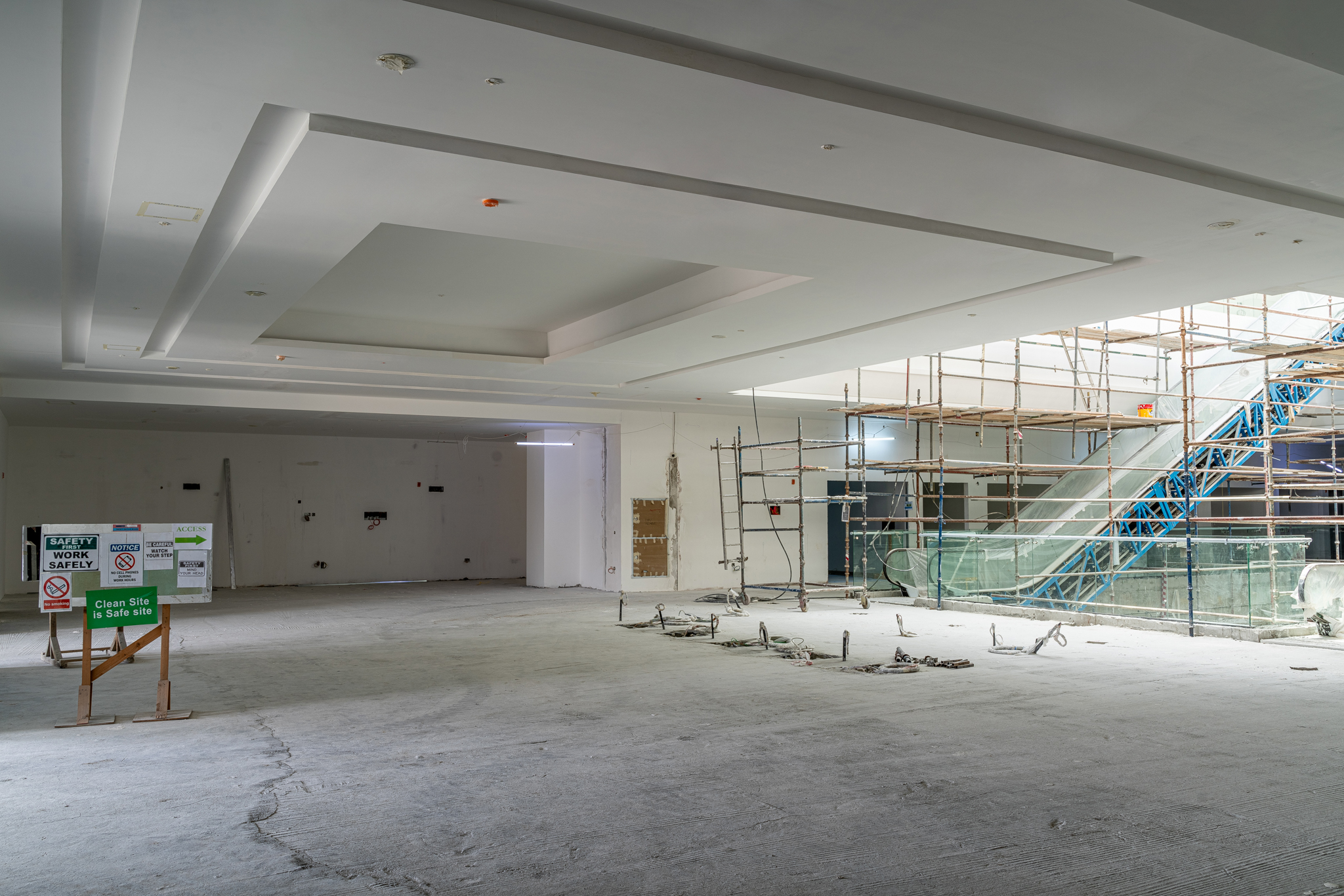
Are there different types of gypsum boards used for partitions?
Indeed, there are various types of gypsum boards used for partitions, each catering to the specific needs and requirements of different projects. Here are a few types:
- Regular Gypsum Board
Regular gypsum board, also known as standard gypsum board, is the go-to choice for most interior partitions. Its popularity stems from its cost-effectiveness and ease of installation. It provides a smooth and even surface that is ready for painting or finishing, which is ideal for various indoor applications. However, it’s important to note that regular gypsum boards are not suitable for areas with high humidity. Their vulnerability to moisture makes them less ideal for spaces like bathrooms and kitchens.
- Moisture-Resistant Gypsum Board
Moisture-resistant gypsum boards, commonly referred to as green boards, have a specialized design to tackle areas with high humidity. These boards are equipped with a water-resistant core and are covered with a unique green paper facing that resists moisture penetration. This design ensures that moisture-resistant gypsum boards can endure the damp conditions found in bathrooms, kitchens, and other humid environments. They maintain their structural integrity in the face of moisture, making them a practical choice for spaces where traditional gypsum boards may not suffice.
Moisture-Resistant Gypsum Partitions
Moisture-resistant gypsum partitions play a crucial role in maintaining structural integrity in areas where moisture and humidity levels are high. These partitions are designed to withstand the challenges posed by environments with elevated moisture content. Common applications for moisture-resistant gypsum partitions include:
- Bathrooms: Moisture-resistant gypsum partitions are an ideal choice for bathroom walls where humidity levels are consistently high and water exposure is frequent.
- Kitchens: The kitchen is another area that benefits from moisture-resistant partitions, as the occasional splashes of water and high humidity levels make them a practical choice.
- Swimming Pool Areas: Areas adjacent to swimming pools often experience high humidity levels. Moisture-resistant partitions in these areas help combat the challenges associated with moisture, ensuring long-term gypsum partition durability and safety.
How Insulation Materials Improve Energy Efficiency and Reduce Noise Transmission?
The use of insulation materials in conjunction with gypsum partitions can significantly enhance energy efficiency and reduce noise transmission. Here’s how:
- Thermal Insulation: Insulation materials, such as fiberglass or mineral wool, can be added to the gypsum partitions to improve thermal insulation. This helps maintain comfortable temperatures in interior spaces, reducing the reliance on heating and cooling systems, ultimately saving energy and reducing utility costs.
- Noise Reduction: Insulation materials also play a role in reducing noise transmission between rooms. They absorb sound and prevent it from traveling through the partitions, ensuring a quieter and more peaceful environment.
- Energy Savings: By enhancing thermal insulation, gypsum partitions with insulation materials can contribute to energy savings, reducing the overall carbon footprint of a building. This aligns with sustainability and energy efficiency goals.
- Acoustic Performance: In spaces where sound control is paramount, such as music studios, theaters, or conference rooms, gypsum partitions with specialized acoustic insulation provide optimal soundproofing.
- Privacy and Comfort: Insulated gypsum partitions create a more comfortable and private living or working environment by minimizing temperature fluctuations and blocking out unwanted noise.