

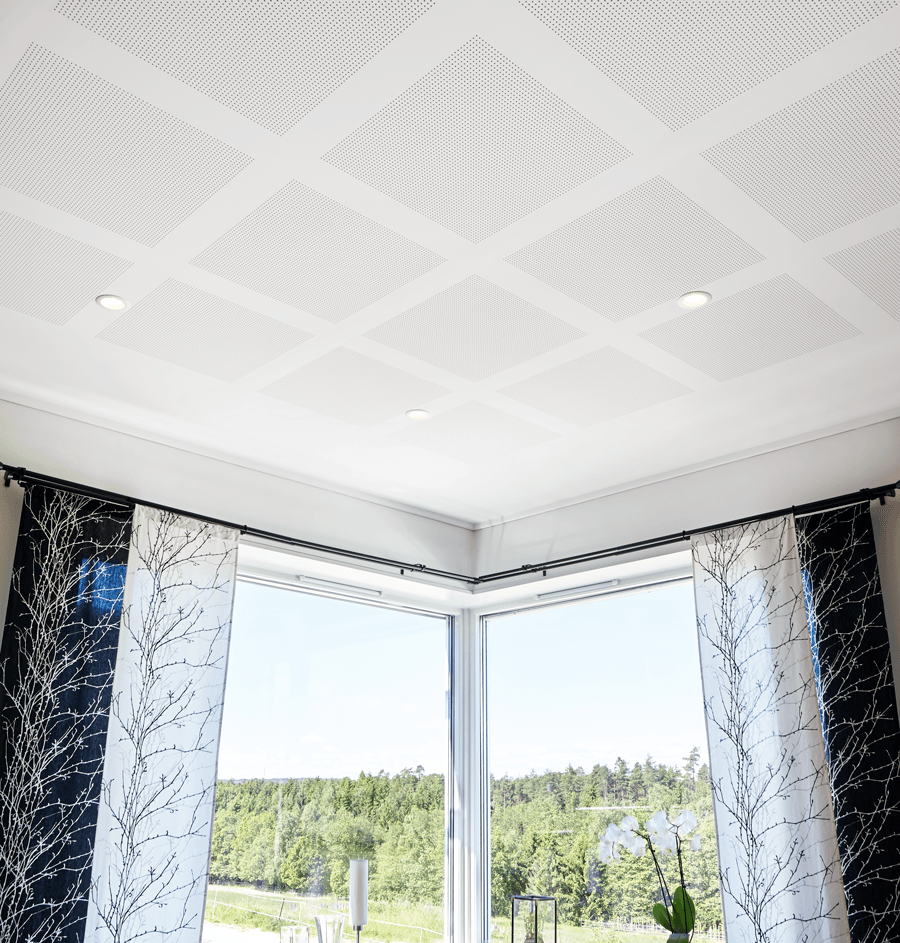
A gypsum ceiling can transform the look of a room, providing a clean and modern finish. Whether you’re a DIY enthusiast or the right professional gypsum ceiling contractor, understanding how to install a gypsum ceiling can be a valuable skill. In this guide, we’ll take you through the step-by-step process of gypsum ceiling installation, from preparing the room to finishing touches.
Tools and Materials Needed for Gypsum Ceiling
Before you start the installation, gather all the necessary tools and materials. Here’s a list of the six key items you’ll need:
- Gypsum Panels: Gypsum panels, also known as gypsum boards or drywall, serve as the primary material for the ceiling. These panels come in various sizes and thicknesses and are the foundation of your ceiling structure. They provide a smooth surface for finishing and play an integral role in the overall aesthetic appeal of your ceiling.
- Main Beams: Main beams, typically constructed from steel or aluminum, are the backbone of your gypsum ceiling’s structural support. They are installed horizontally, attaching directly to ceiling joists. Main beams ensure the stability and integrity of the entire ceiling system, evenly distributing the gypsum panels’ weight evenly.
- Cross Tees: Cross tees are pertinent components for creating the grid system that holds the gypsum panels in place. Cross tees are installed perpendicular to the main beams, which establish the framework that supports the panels. Properly spaced cross tees ensure that the gypsum panels fit securely within the grid.
- Edge Trim: Edge trim, also called perimeter trim, provides a clean and finished appearance around the edges of your gypsum ceiling. It conceals the ends of the gypsum panels, creating a polished and professional look. Edge trim not only enhances aesthetics but also protects the edges of the panels from damage.
- Joint Compound: Joint compound, commonly known as drywall mud, is a critical material for sealing joints and creating a smooth, seamless surface on your gypsum ceiling. It fills gaps and imperfections between gypsum panels and hides the screws used for attachment. Properly applying and sanding joint compound is imperative for achieving a flawless finish.
- Paint and Brushes: Once the gypsum ceiling is installed and joints are sealed, the final step is painting. Choose a high-quality paint that suits your interior design. Paint and brushes are necessary to give your gypsum ceiling its desired color and enhance its visual appeal. A well-chosen paint color can tie the entire room together and create the ambiance you desire.
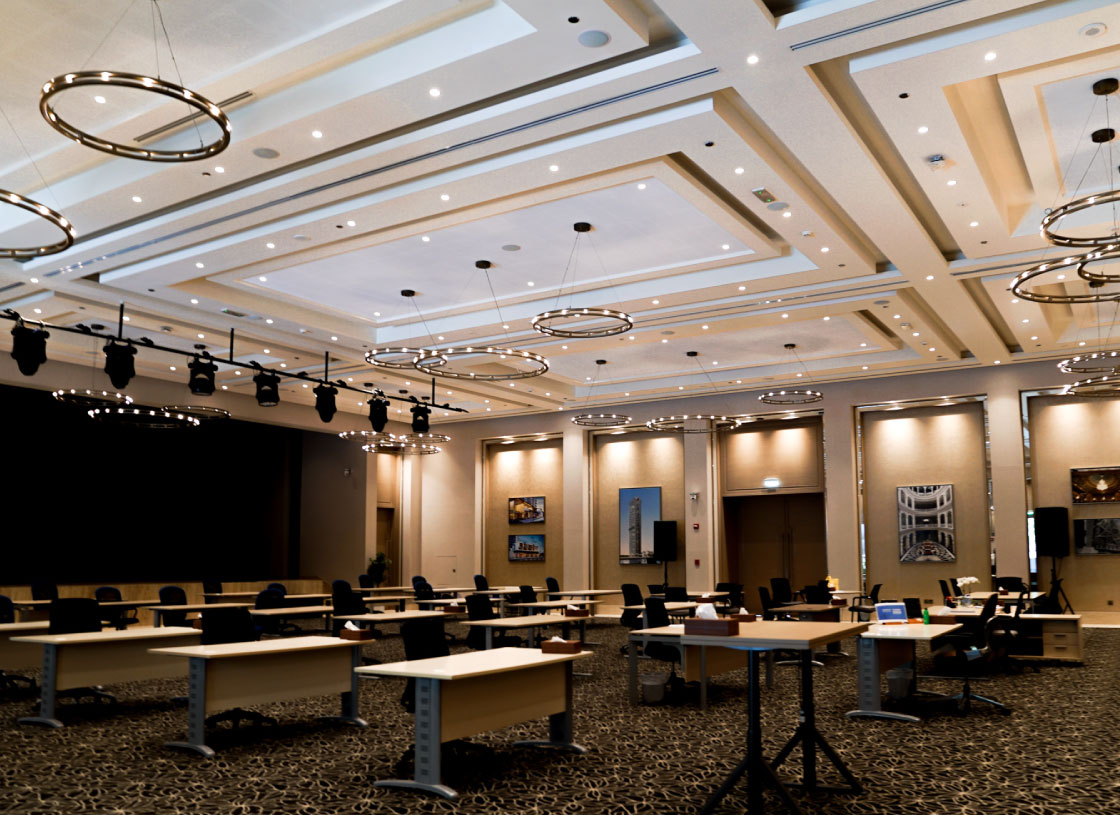
Step-by-Step Guide: What Are The Proper Steps For Gypsum Ceiling Installation?
- Step 1: Preparing the Room
The first step in installing a gypsum ceiling is to prepare the room. This involves removing all furniture and fixtures from the space. Clear the area to create a clean and open workspace. Ensure the ceiling and walls are dry and free from debris or dust. This preparation will make the installation process smoother and more efficient.
- Step 2: Measuring and Marking
Accurate measurements are necessary for a successful gypsum ceiling installation. Measure the dimensions of your ceiling and mark reference points on the walls. These reference points will guide you in creating a level and symmetrical ceiling. Taking the time to measure accurately at this stage will save you potential headaches later in the process.
- Step 3: Cutting the Gypsum Panels
With your measurements in hand, it’s time to cut the gypsum panels to fit the ceiling dimensions precisely. Use a utility knife or a specialized gypsum board cutter for clean and precise cuts. Be mindful of safety precautions while cutting, and wear appropriate protective gear such as goggles and gloves.
- Step 4: Installing the Main Beams
Main beams provide structural support for the gypsum panels. Securely attach them to the ceiling joists using appropriate fasteners. You need to ensure that the main beams are level and evenly spaced to provide stable support for the gypsum panels.
- Step 5: Installing the Cross Tees
Create a grid system by installing cross tees perpendicular to the main beams. This grid system will hold the gypsum panels in place. Carefully measure and mark the positions of the cross tees to ensure they are square and level. A well-constructed grid is a must for a smooth and professional-looking ceiling.
- Step 6: Installing the Edge Trim
To achieve a neat and finished look around the perimeter of the ceiling, install edge trim. The edge trim provides a clean edge and conceals the ends of the gypsum panels. Ensure the edge trim is securely attached and aligned with the grid system.
- Step 7: Installing the Gypsum Panels
With the grid and edge trim in place, it’s time to install the gypsum panels. Lift each panel carefully into the grid and position it snugly. Secure the panels to the cross tees using appropriate screws. Take your time to ensure that each panel fits securely and uniformly.
- Step 8: Finishing the Edges
After the gypsum panels are in place, it’s time to address the joints and edges. Apply joint compound to the joints between the gypsum panels and the edge trim. Use a trowel to spread the compound evenly and create a seamless finish.
- Step 9: Sealing the Joints
Allow the joint compound to dry thoroughly. Once dry, sand it down to create a smooth surface. Depending on the finish you desire, you may need to apply a second coat of joint compound and sand again. Properly sealed joints are paramount for a flawless gypsum ceiling.
- Step 10: Painting the Ceiling
The final step in your gypsum ceiling installation is painting. Choose a paint color that complements your room’s decor. Using a roller or brush, apply an even coat of paint to the gypsum panels and the edge trim. Allow the paint to dry completely before moving furniture back into the room.
Let’s Get Started
Ready to transform your space with a gypsum ceiling contractor in Dubai? Contact our experts today for professional installation services.