

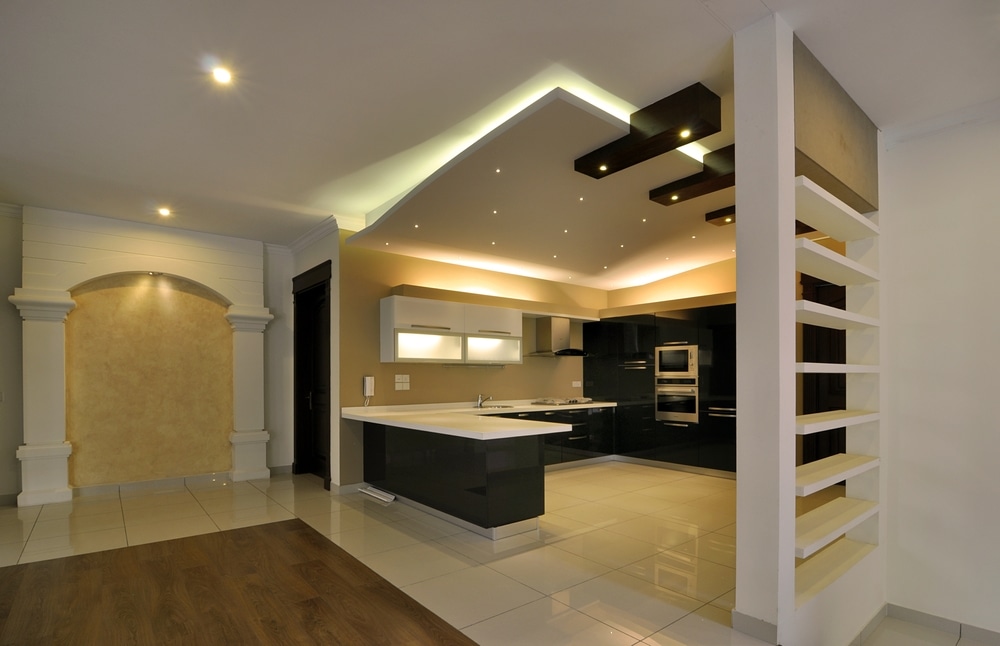
When preparing a home for sale, homeowners often wonder how best to add appeal and value. While cosmetic upgrades tend to draw buyer interest, few consider the improvements hidden above drop ceilings.
Installing a false ceiling is one such project with a sizable return. By concealing unattractive piping, ductwork, or structural elements, a faux ceiling offers buyers a polished presentation. It improves first impressions that may sway offer decisions.
A smooth appearance also lends versatility for future layout changes without costly renovations. This simple addition frequently lifts listing prices noticeably by presenting well-maintained, move-in-ready spaces downstairs.
What is a False Ceiling?
A false ceiling, also called a dropped ceiling or suspended ceiling, is an additional ceiling placed below a home’s structural ceiling. Rather than being load-bearing, a false ceiling is installed solely to conceal unattractive or unwanted features above it, such as ductwork, wiring, or uneven beams.
Constructed of materials like drywall, wood, or acoustic tiles, a dropped ceiling creates a clean, finished look while remaining accessible. Lightweight panels mount to the actual ceiling on metal supports, allowing access to the space between for maintenance or retrofits.
It visually lowers and streamlines ceiling heights to enhance aesthetics.
How to Install False Ceilings?
Here are the basic steps to install a false ceiling:
- Plan Layout and Design: Map out where you want ceiling panels to go. Consider light and vent placement. Consult blueprints if needed.
- Prepare Area: Clear away debris above the ceiling. Inspect for problems that need fixing beforehand, like water damage.
- Install Supports: Securely attach metal ceiling grids or wooden strips to the existing ceiling for panels to rest on. Use sufficient supports spaced as specified.
- Place Panels: Lock grid-supported ceiling panels into place one by one. Make sure they fit flush without gaps. Cut as needed for odd spaces.
- Add Lighting: Based on your layout design, install new recessed lights or surface-mounted fixtures. Run new wiring as required.
- Install Vents: Cut holes in panels for heating/cooling vents or replace covers as planned—seal gaps to prevent air leakage.
- Paint or Finish: Sand panels smooth before finishing with white paint for a uniform look. Use drywall compound for joints.
- Inspect & Finish Touches: Check for weaknesses and make repairs. Add trim molding along edges if desired.
Reasons to Install a False Ceiling in Your Home Need to Know
False ceilings, also known as drop ceilings or suspended ceilings, can be a great way to increase the value of your property when selling your home. Here are some reasons why false ceilings can be beneficial:
-
Aesthetic Appeal
Adding a fake ceiling is a great way to enhance a house’s visual appeal. Buyers may be put off by a space’s unfinished look, exposed pipes, or ducts.
A dropped ceiling hides these unattractive sights, creating a polished look that pleases the eye. Clean, seamless panels make ceilings appear well-maintained from the moment someone enters a home. Particularly in high-traffic areas like living rooms or entryways, a false ceiling draws the eye upwards, enhancing perceptions of room size and style.
By concealing imperfections, homeowners let their properties shine and allow buyers to focus on quality features elsewhere instead of distracted pipes overhead. Working with a false ceiling company ensures an attractive, professional installation.
-
Customization Options
False ceilings provide a customizable layout that standard ceilings do not allow. Homeowners gain the power to redirect focus in their living spaces subtly.
Lighting placements, unique paneling designs, or acoustic treatments tailored for entertainment areas accommodate specific needs. Modernization happens affordably, preserving historic architectural integrity where required. Future owners will obtain a blank canvas to paint with their preferences, unconstrained by fixed wiring or vent locations that are up high.
Room additions happen economically, too, by concealing former divisions above. All told the control false ceilings offer for stylizing rooms augments how desirably properties show while listed.
-
Energy Efficiency
A dropped ceiling contributes significantly to a home’s energy performance. The new insulated barrier behind panels blocks drafts and contains heating/cooling power upstairs.
In attics, false ceilings shelter living quarters from summer’s sweltering temperatures and winter’s frigid air seeping downward. The protected space helps distribute conditioned air evenly instead of losing it through leak-prone ducts overhead.
Fewer sweeping thermal currents form and insulation packages are installed neater when unhindered by open beams or pipes above. These benefits cut energy bills and lift resale value as buyers foresee lower housing costs in the long term. Overall comfort also heightens, strengthening appeal all around.
-
Sound Insulation
Noise transfer between floors presents headaches in busy multi-level homes. Installing a well-inspected false ceiling provides the clarity that quiet conditions offer.
Gypsum false ceiling contractors fortify panels with soundproofing insulation and acoustic tiles. This shields inhabitants from disruptive footsteps, conversations, or other household occurrences above. Simultaneously, it blocks external sounds like traffic or nearby construction from disturbing interior peace. Whether contemplating resale or simply improving their quality of life indoors, homeowners benefit immensely from the silent sanctuary and dropped ceiling crafts.
Concentration improves for studying or teleworking, and restful sleep becomes more accessible, too, where ambient disturbances stay muffled above suspended panels.
-
Increased Property Value
The return on investment afforded by a well-executed false ceiling makes it a smart choice for homeowners.
Beyond enhanced aesthetics lifting appraisal valuations, the energy savings and insulation benefits add long-term monetary value. Listings showing efficient, modernized interiors with fewer probable issues stand out desirably over competitors to buyers.
Smooth ceiling installations signal thoughtful upkeep, too, boosting confidence in purchase quality. Future Proofing a home both functionally and visually strengthens resale potential in relocation seasons. All told, the many attributes false ceilings provide for customization and optimization of living comforts translate clearly to property valuation increases.
Conclusion
False ceilings offer sellers an accessible way to maximize home value. With minor investment, attractive living areas result where pipes or wires are once distracted.
Buyers appreciate polished finishes that require no future concerns. While cosmetic in nature, a well-executed dropped ceiling carries an impact beyond curb appeal. It conveys an owner’s maintenance mindset while allowing flexibility for buyers’ tastes down the line.
Overall, false ceilings’ ability to conceal unattractive functional elements above makes a seller’s job easier by letting quality construction shine through upstairs elsewhere.